Back from vacation, I face the new term lacking energy, though certainly not enthusiasm. I know things will become increasingly difficult for me, as the side effects of my epilepsy medication (Depakine) are now compounded by those of Letrozole, a hormonal treatment for cancer.
I have a long to-do list following this break, but I wanted this article about epilepsy to be the first task I tackled. It is a commitment I made years ago, and I do not want to break my word: one article a month sharing my impressions, struggles, hopes, and doubts, in short, my day-to-day life with epilepsy.
Constatamos año tras año que la epilepsia sigue siendo la gran desconocida. No se hacen campañas de divulgación, las autoridades no nos prestan atención. A ver si las asociaciones tienen a bien unirse para tener más fuerza y poder exigir a la administración una mayor divulgación de lo que es esta enfermedad.
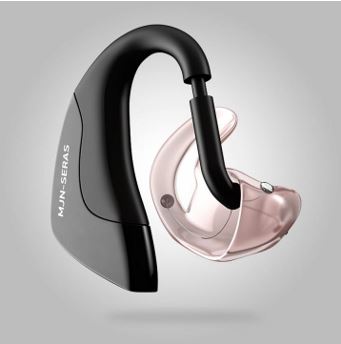
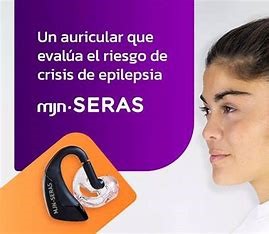
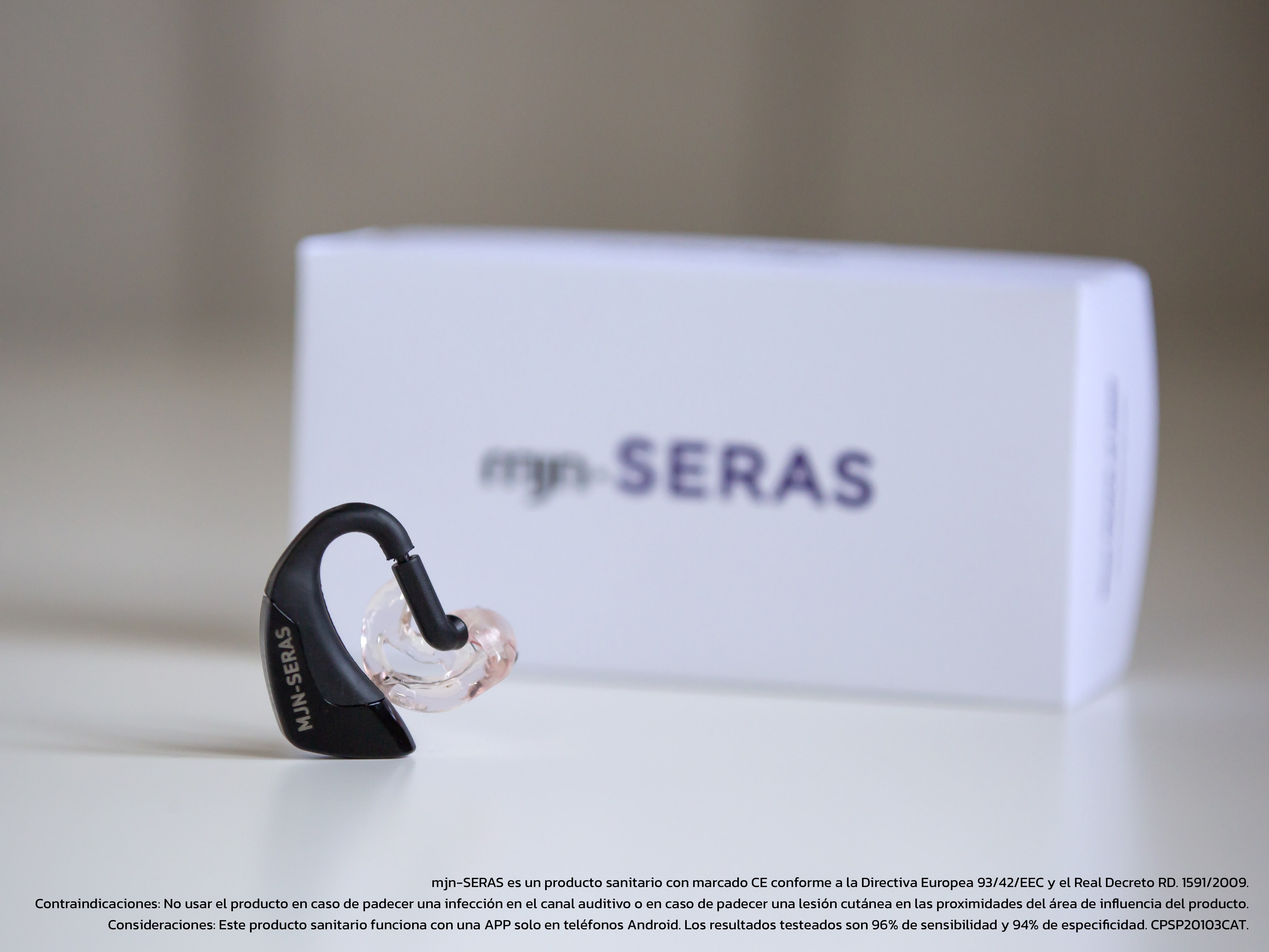
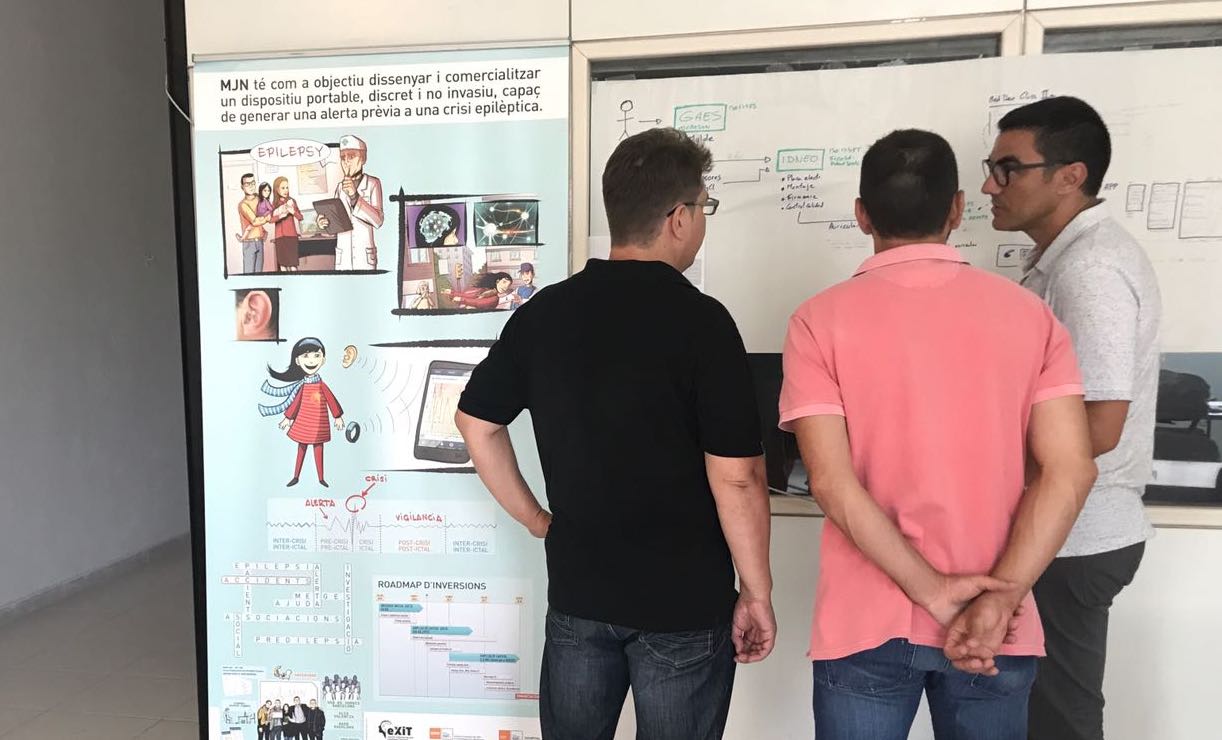
A non-invasive, AI-based, wearable earpiece that continuously monitors brain activity to enable the early detection of seizure risk in real time, alerting patients and caregivers minutes before an episode occurs.
This breakthrough innovation represents a major milestone in Neuraxpharm’s commitment to advancing both digital and personalised solutions that enhance safety and improve quality of life for people living with epilepsy.
We see year after year that epilepsy remains a great unknown. There are no awareness campaigns, the authorities pay no attention to us. Let's see if the associations will be kind enough to join forces to gain more strength and be able to demand that the administration increase awareness of this disease.
June is here. The school year is ending and summer vacation is beginning. For students and teachers, many parents now face a problem: what to do with their children while they're away on vacation.
What I want to demonstrate with this series of activities is that a person with epilepsy can be committed, live a life like anyone else, be an activist for people with epilepsy, celebrate life...
Last February 26th, I was walking down the street, calmly thinking about the trip my husband and I were leaving the next day, when my phone rang. It was my husband calling me from the hospital: he'd fallen in the street and had to be taken by ambulance. He seemed to have broken his shoulder.
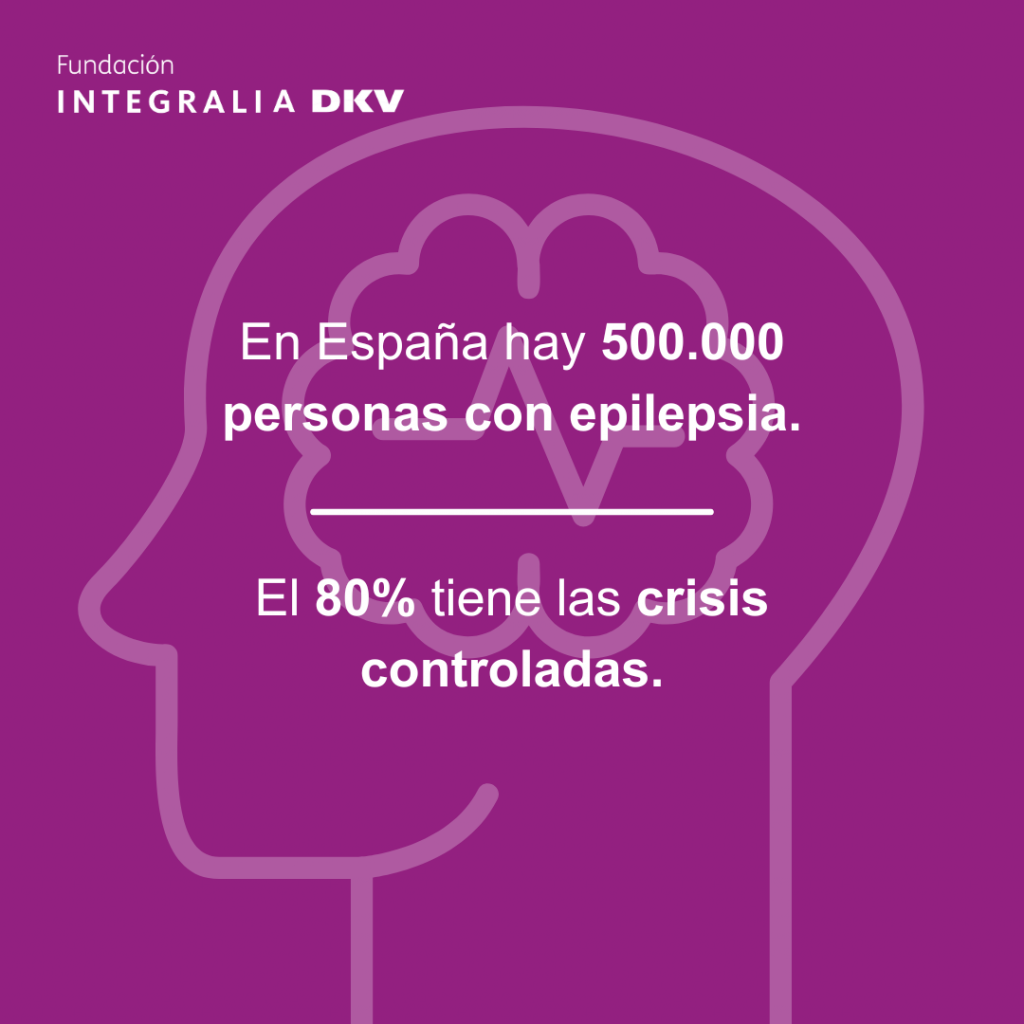
La mayoría de las personas con epilepsia pueden y desean trabajar y el 80% de ellas tienen las crisis controladas. No obstante, la inclusión laboral es una de sus mayores preocupaciones, ya que la tasa de desempleo de este colectivo de personas es desproporcionadamente alta. La tasa de paro de las personas con discapacidad es de un 21,4%, 8,6 puntos superior a la de la población sin discapacidad.
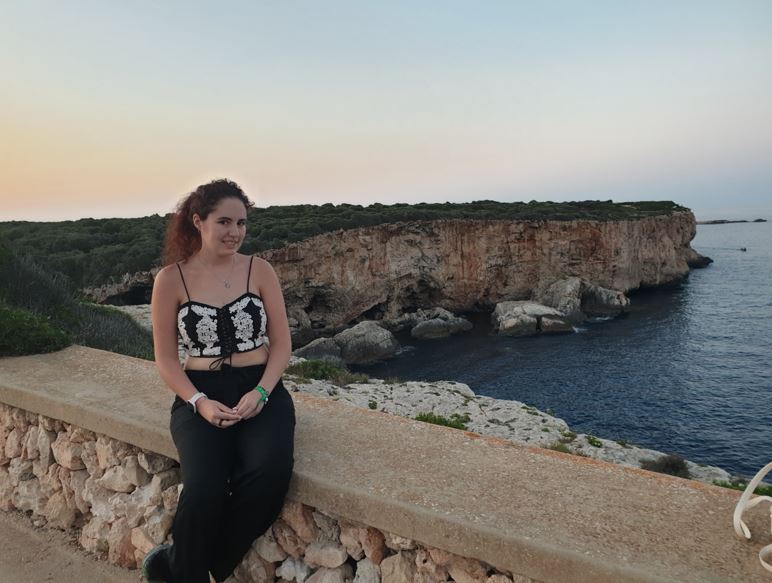
My name is Uxue, I am a 22-year-old and I have epilepsy. The truth is that I am a misunderstood girl, since apparently I have nothing, it seems that I am fine, but in reality I take a lot of medication and that causes me fatigue, memory loss, ovarian cysts, my feelings are on the surface and I have not been able to study or party like any other teenager.
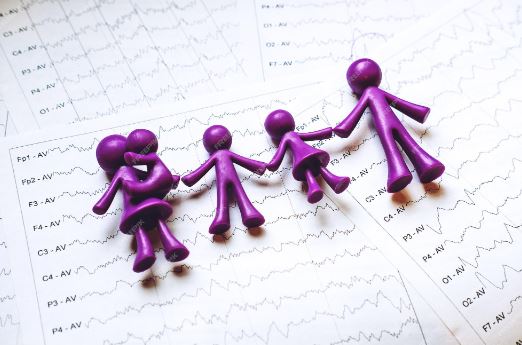
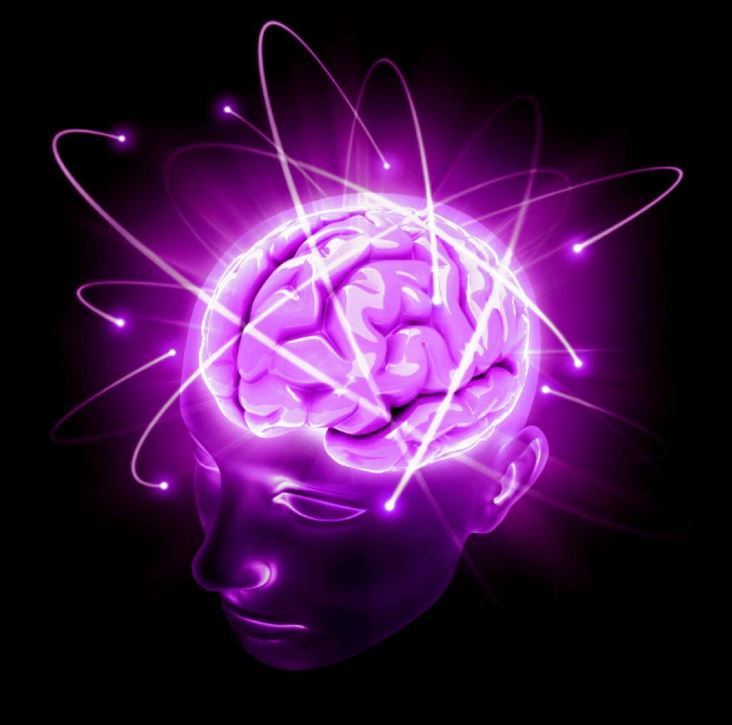
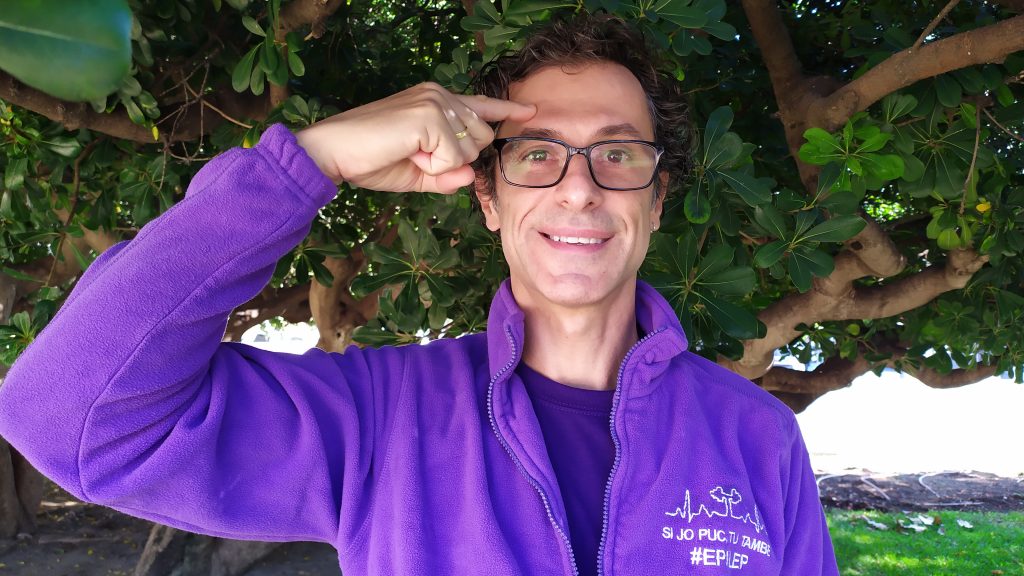
He is purple. There are many purples but this is a very special purple. 30% are like this. A chore of life. Our purple is a storm from which it is very difficult to escape, for many a chimera.
Living with epilepsy for a caregiver is a challenge every day, much more for people with epilepsy, but for me, as my brother’s caregiver for 36 years, since my mother has been missing, it is a great uncertainty.
For me, living with Epilepsy has meant giving up what it was like to be young in the 60s, never doing the same friends, not being able to go alone almost anywhere, being judged, since at that time we were the ones who had to be put under the stretcher, and by not doing like everyone else... you were the lazy one, the spoiled one, the useless one... No one wanted to have a friend who drank, got frustrated, got angry and didn't obey... better to leave him alone.
We say goodbye to 2024 and welcome 2025. A notebook full of blank pages for us to fill with experiences and actions that fulfill us and make us move forward. It is not about doing great things, but about knowing how to take advantage of each day, each moment and being aware that life is there, in the small things.
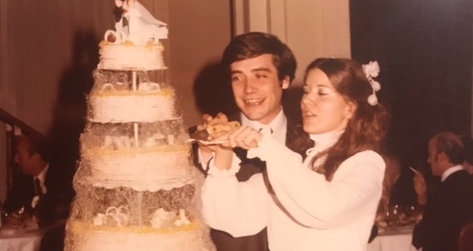
It just so happens that I wrote this document on the day I celebrate 46 years of marriage. Our story is simple and based on mutual respect and admiration.
I am writing this article a week after the terrible DANA that has devastated several towns in the Valencian Community, Castilla La Mancha and Andalusia.
One more month I face a blank sheet of paper in which to express my ideas, experiences, fears and hopes that are the same as those of a person who does not have epilepsy.
The meeting of the Ordinary General Meeting of Partners of the Society Neuroserveis – Angels Inversiones (mjn-neuro) has just ended and the time has come to reflect on what was heard during it.
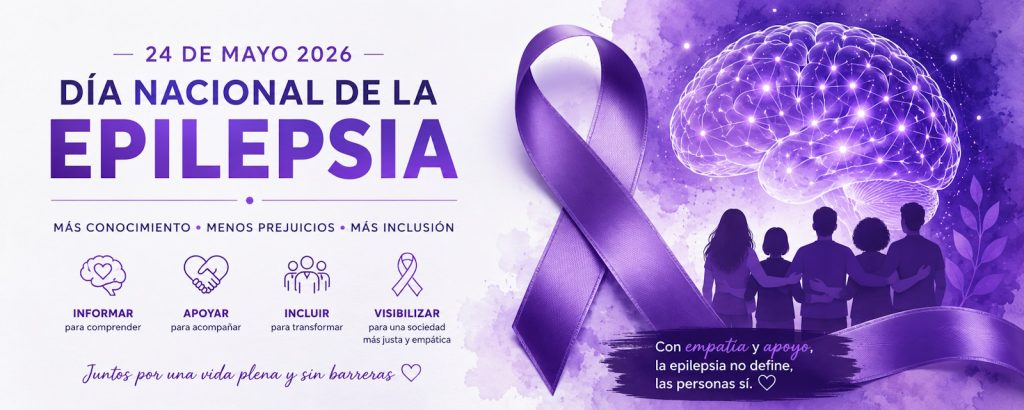
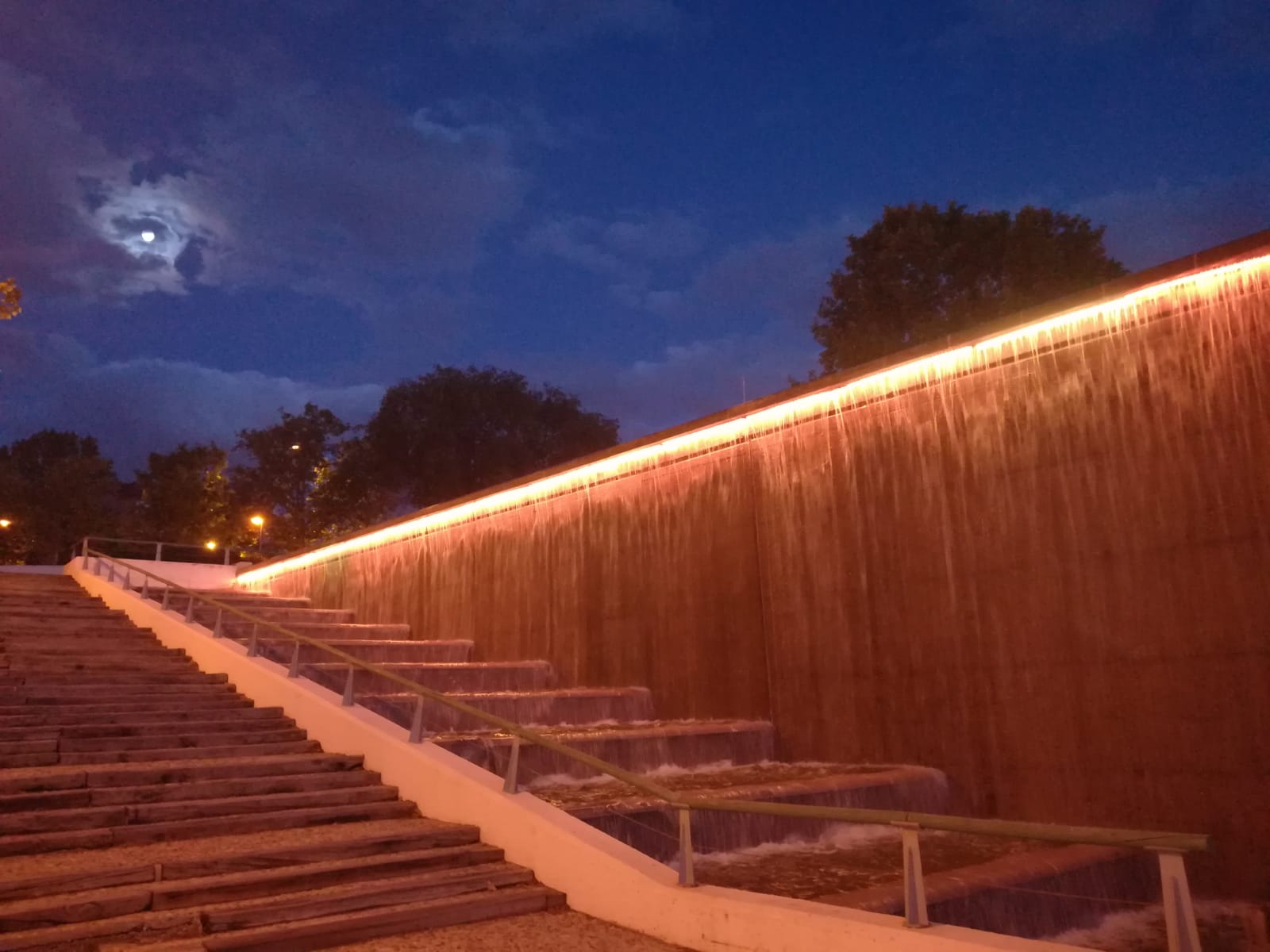
Next May 24th is National Epilepsy Day. From the National Association of People with Epilepsy – ANPE we are trying to illuminate a good number of buildings and monuments throughout Spain in orange, to make visible this disease, which is, even today, so unknown.
It’s almost Christmas! Life goes by at breakneck speed, and things can change a lot from one year to the next. And the truth is that the thing is to share and live. Live life as if it was the last day, the last kiss, the last hug.
Last week we took a getaway through the Aragonese Pyrenees and we even took a walk through Ordesa. As you can see, epilepsy doesn't stop me from doing things. Today, my age and ailments almost slow me down more than the illness itself that has always accompanied me. I think that the routine, knowing that it is there but that we get along well if I treat it well, makes me hardly think about the fact that, in fact, I have epilepsy.
The life of a person with epilepsy does not have to be limited by anything. Really. As long as you have epilepsy controlled with medication and even with epilepsy that is not so controlled.
Next week is Easter. This year, again, we are going to move it to Calanda, the home of my husband's family. We will get together with one of our sons and his family, and some nephews with his. In total, 16 people. This year my young son can't come.
From my small plot of land, I will continue to fight for the rights of women in general and for those of women with epilepsy in particular, to achieve true equality...
We are starting a new year. Time goes fast when you have two wonderful granddaughters who never stop growing and getting into mischief. For grandfathers and grandmothers they are like the elixir of eternal youth...
You already know us and mjn-neuro is committed both to innovation in technology and to the social impact of each of the actions we carry out. Above all, with our product. But beyond that, we also want to give a voice to women engineers...
For me, these 64 years of life, with all its circumstances, changes, adaptations, sufferings, joys, losses, adventures... have gone by like a blur. And I can't tell you how fast a year goes by when I see myself back at the computer talking about November...
En este artículo os contaré cómo llevo el tema más psicológico de la paresia que sufrí en la pierna derecha después de la operación por la epilepsia...
I always want to join my experiences to my disease, to share with all of you that epilepsy does not interfere neither in my relationships with my people, nor in my dreams nor in what I fight for them
This past June I have realized two wishes I had for some time: one was to go to see my son in El Prat, where he lives now, and the other was to visit the headquarters of MJN-Neuro, in Blanes, and meet Marina and Anna in person...
As I told you in my April blog entry, this Easter we have spent with our family in Calanda. We have been cold, we have been wet, we have made excursions, we have met a lot of people...
There is a great need to raise awareness about epilepsy. It is not well known. The public still fears it and does not know what to do if they witness an epileptic seizure...
We need to be an army to be listened, to be heard, to be known, to be seen as we are: normal and ordinary people with a disease that makes it impossible...
Ángel Aledo Serrano is a neurologist and is specialized in pediatric and adult epilepsy at Hospital Ruber Internacional (Madrid), also collaborating at Clínica Corachan (Barcelona)...
Today I want to tell you how my life has changed in such a short time. A few years ago together with my father, we said that if there was an option to operate, then it would be done.
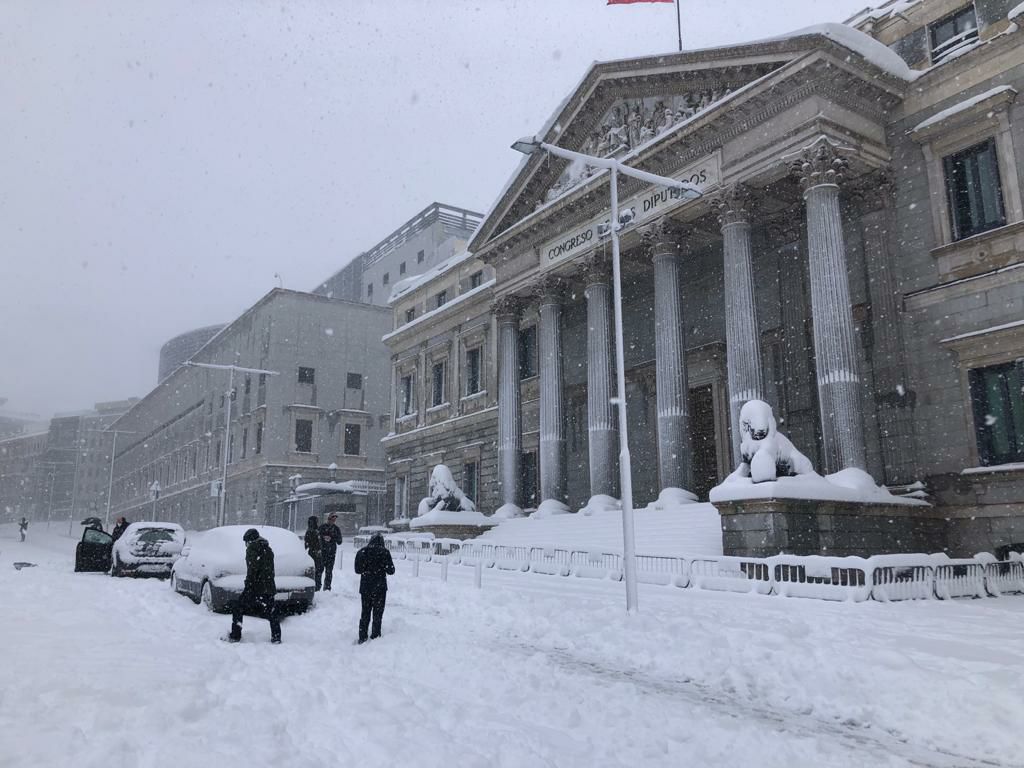
As if that weren't enough to live with a lethal virus as COVID-19, now Filomena visits us, which is not a virus and, moreover, is beautiful, but which once again disrupts our lives as we knew it.
We are coming to the end of 2020, we would like to congratulate everyone who has helps us in our project. Your support and passion during the uncertainties of the year. Here we leave you a list of the milestones achieved throughout this 2020.
Today, December 9, is our 42nd wedding anniversary. It is said soon. And it doesn't seem to be that many. Really. After having lived many things together, some good and others not so good, these years have passed so quickly, that it makes me dizzy to think that we are already grandparents.
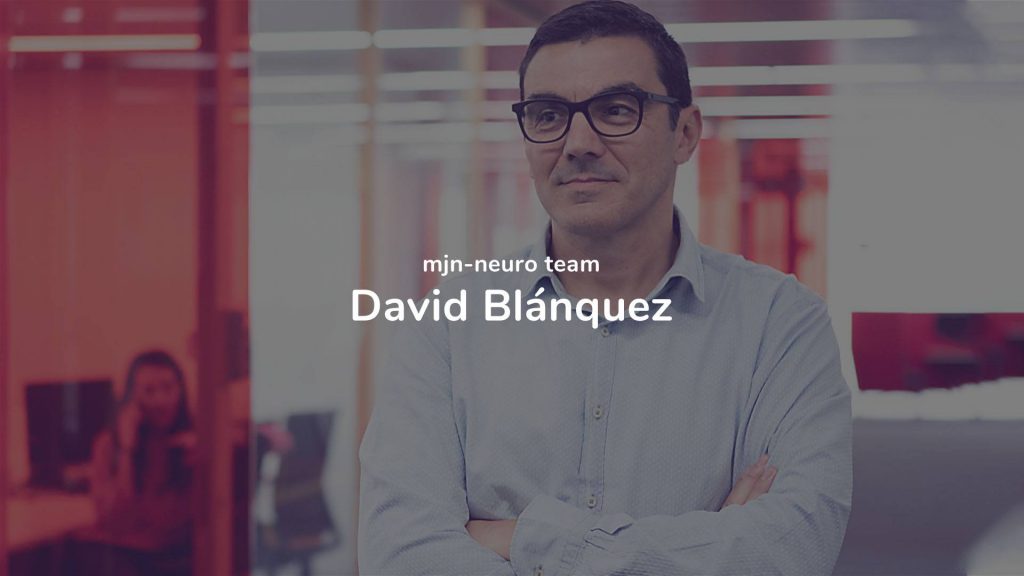
Yes! We did it! We have been able to “steal” few minutes from our CEO, David Blánquez. You started as an engineer in artificial vision, robotics and machinery in 1997, going through more than 10 years in your own engineering company...
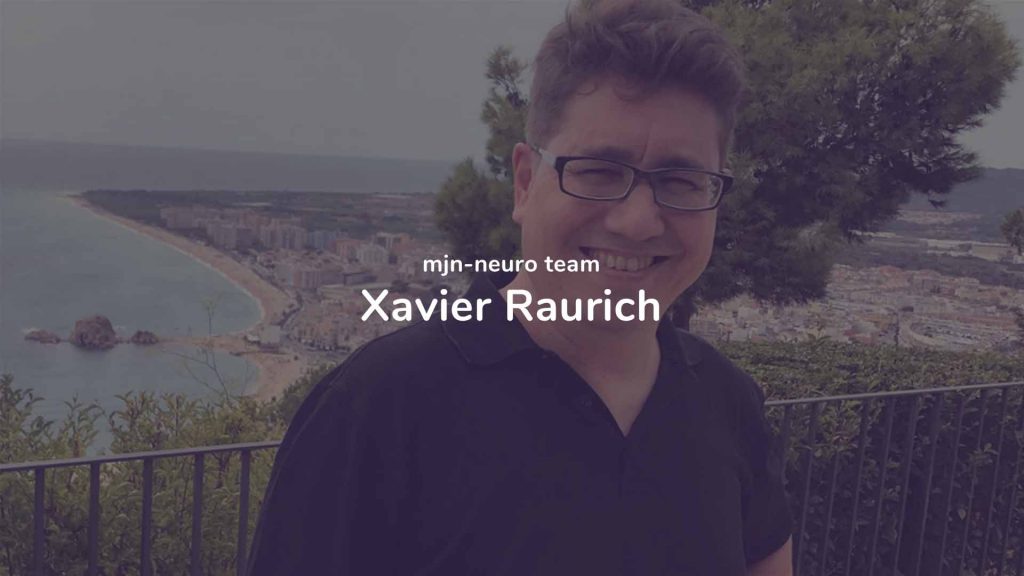
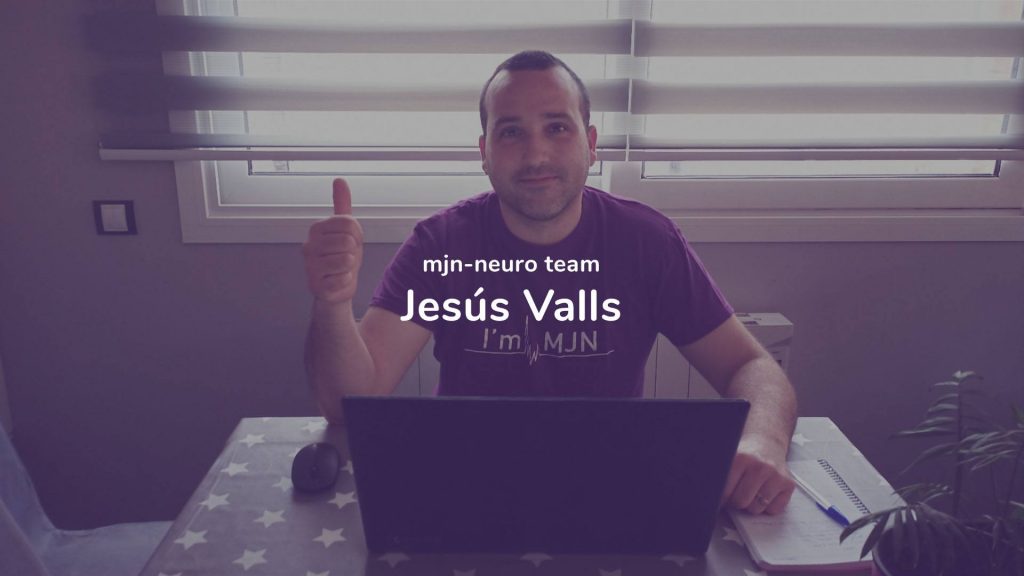
We introduce you to Xavier, the COO (Chief Operating Officer) of MJN. Xavier has been one of the founders of MJN along with David and Salva, therefore he is part of the DNA of the MJN project.
Hi, I’m Marina, I have epilepsy since I was two years old. They discovered it because I was falling suddenly and my parents didn’t understand anything at that time.
Hello to everyone. During this unusual summer, in which the desire to rest and the desire to go out and have fun with friends collides with the need to remain as isolated as possible...
I'm Ariadna's mother, she is 28 years old now. Ariadna has had refractory epilepsy since she was born, we have gone through different stages in these years, different medications...
No, I'm not going to talk about the phases of the moon or the phases of epilepsy or the phases of someone's lifetime. These days, the phases which everyone talks about are the phases of "de-escalation"...
When we started our project in 2012, we knew that only a highly advanced technological solution would be able to provide a solution to the challenges we wanted to accomplish.
Hello, I am Raquel Omedes, Daniela's mother, a 6-year-old warrior who fights against a rare disease called Dravet Syndrome and Delegate in Catalonia of the association ApoyoDravet.
I've always wondered at what age is it the hardest to cope with epilepsy? It's tough for me to answer that question because I've been through almost every stage of this condition...
I've seen that MJN cares about people with epilepsy and I think that my case can be very useful both for those who have epilepsy and for those who are not.
Assistance dogs are valuable companions for people living with disabilities, giving them greater independence, peace of mind and support. In the field of epilepsy it can even save their lives.
Caring for people with epilepsy involves providing health care and social services to reduce the morbidity, premature mortality and negative psychosocial effects to which it is associated.
As we all know, epilepsy is not just a health problem, people with epilepsy also have to cope with a wide range of difficulties that affect almost every aspect of their lives.
It is a term that comes from the Greek and means "to catch by surprise". People with epilepsy do not know before when they are going to have a seizure.
Our project does not originate in a hospital research centre or a university. It is born from the grassroots, from the patient, from their needs, experiences and, why not say it, from their fears.
EL pasado 23 de Mayo en Barcelona se celebró la 2ª edición de la feria tecnológica para la epilepsia organizada por la @FEDE, Federación Española de asociaciones de Epilepsia.
I ended my previous blog entry by saying that I'd tell you what had happened to one of my children and how I dealt with it. From the title of the article it could be deduced that if a mum has epilepsy, her child will also have it. It couldn't be further from the truth. Epilepsy is not inherited. You can have a predisposition, but never inherit it.
MJN brings hope to us because it can help us with a key issue. With the device they are designing we could have information about how many daily seizures our son has and adapt the things in his environment that affect him most.
In Canada alone, an average of 42 people a day learn that they have Epilepsy and over 50 million people worldwide suffer from the disorder. I can say that I Beat Epilepsy.
This year, to commemorate that day, there is a campaign in which we can all collaborate and make epilepsy better known around the world, that we are seen as normal people.
Epilepsy is a chronic neurological disease that not only affects the person who suffers it but also their immediate environment is affected in their daily routine.
"Learning to live with what I have", that's how I'd title my life. Epilepsy appeared just when my future plans were at their peak. I finished my college studies and I was going to prepare for the exams to be a local police officer, my dream since I was little.
I live in the province of Buenos Aires, Argentina and at the age of 40, I suffered my first epileptic seizure. After a week I had an emergency operation for a brain tumour and from that moment I started to suffer more and more frequent seizures.
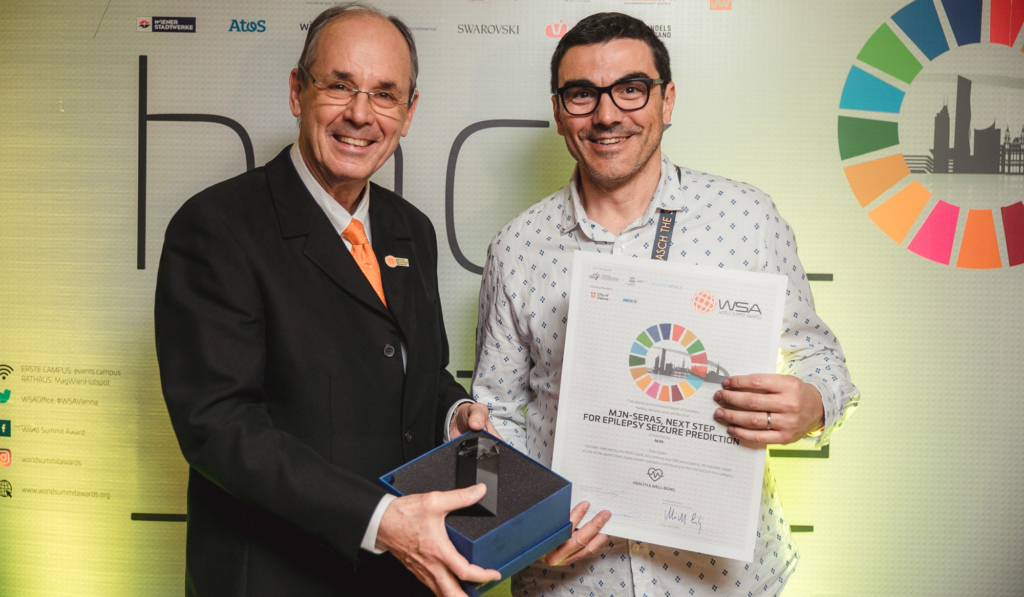
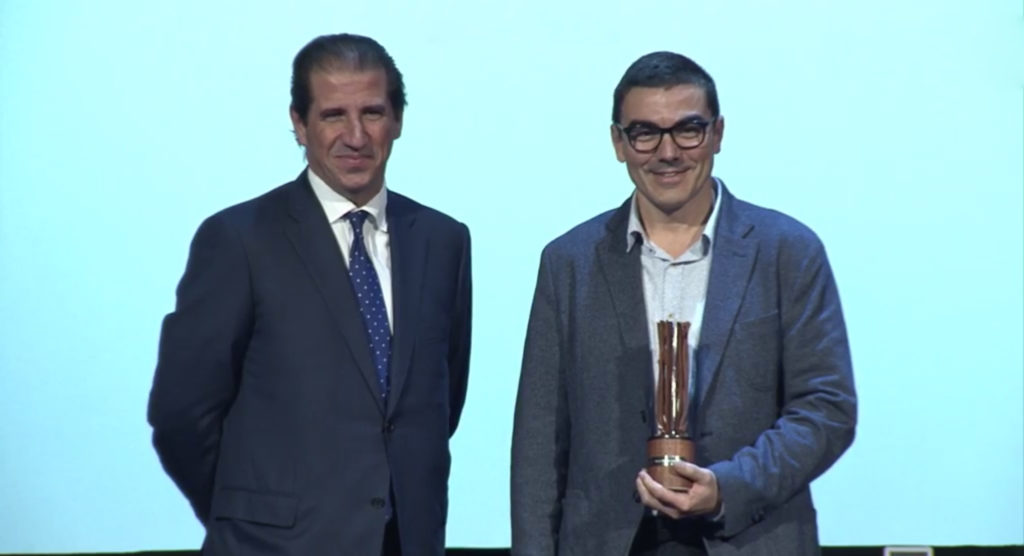
Every year the Everis Foundation organizes the Everis Awards event, a prestigious recognition of innovation, research and entrepreneurship, where companies in the technological sector from all over the world present their candidatures.
My story is still recent and I am, still, psychologically troubled. In March, my second child was born and two weeks after giving birth, I fell asleep. When I woke up, it was over.
The objective of the Retos-Colaboración call is to support cooperative projects between companies and research organisations, with the aim of promoting the development of new technologies, the business application of new ideas and techniques, and contributing to the creation of new products and services.
When parents are told their son or daughter has epilepsy it’s as if their word has just fallen apart. This mainly occurs due to the lack of knowledge still existing about this disease, and the stigma hanging over it “thanks” to literature, cinema, superstition…
I was born on July 3, 1958. During my childhood, I had many episodes that no one associated with epilepsy (absences, gut pain coupled with the loss of consciousness and stiffness of the extremities).
I am a mother of 4 children and work as an accountant for a company. In 2011 I was diagnosed with viral encephalitis that left me as a sequel mild epileptic seizures, a fact that has changed my life completely.
Tengo 40 años y hace cinco que tuve la primera crisis epiléptica. No tenía antecedentes familiares ni conocía la enfermedad. Buscando información descubrí que un 1% de la población está afectada por la epilepsia.
La primera vez que detectamos una actitud extraña en Nahia fue cuando ella tenía 4 años. Estábamos en la playa de Calella y empezó a mirar la playa con la mirada fija, al infinito. Hacía un movimiento de masticación. Nos dijeron que podía ser un golpe de calor, pero por la noche volvió a pasar y fuimos al hospital, donde nos dijeron que podía ser por el cambio de clima, ya que nosotros somos de Vitoria y estábamos de vacaciones.
Hace más de 6 años, David Blánquez, ingeniero y padre de una niña diagnosticada de epilepsia, propuso a Xavi Raurich y a mí, en torno a un café, una idea absurda: trabajar en un dispositivo que fuera capaz de predecir las crisis de epilepsia
Cuando mi hijo Álvaro nació, detectamos que era muy laxo, le costaba mucho mantenerse sentado y tardó mucho en caminar. Cuando lo hizo siempre caminaba con los brazos arriba, a la altura de las orejas.
Mi padre era epiléptico y mis dos hermanos también. Uno de ellos podía llegar a tener 12 ataques epilépticos al día. Nosotros vivíamos en un pueblo muy pequeño y en aquella época no teníamos información sobre lo que era la epilepsia, no sabíamos muy bien como tenía que tratarse cuando sufrían crisis los pequeños.
Mi hija Lidia sufre ausencias desde que nació. Ahora tiene 16 años. La zona afectada es la del aprendizaje, hecho que le provoca una discapacidad intelectual porque no ha podido evolucionar con normalidad.
Cuando tienes una persona
Cuando tenía 8 años, un día empecé a tener crisis epilépticas que relacionamos con una taquicardia que tuve. Mi madre me llevó al neurólogo. No me dieron tratamiento y cada vez fue a peor.
I was diagnosed with epilepsy at the age of 12 and since then my life has changed. The neuropediatrician could not determine what had been the cause for sure, we deduced that it was hereditary since a sister of my paternal grandmother suffers from the same disease. I was prescribed many medications which I am allergic to most of. Today I take lamotrigine and topiramate because lamotrigine alone didn't work for me.
The Epieduca initiative, promoted by the entity Apoodravet, MJN Neuroserveis as a technological promoter and the financial support of the QUAES Foundation, will allow the integration of all those young people who, due to drug-resistant epilepsy, are at high risk of suffering seizures in the school environment. This risk situation directly affects the autonomy of these young people for many routine tasks, which affects their levels of self-esteem and can cause depression and/or anxiety affecting their social relationships and ultimately be isolated from other partners.
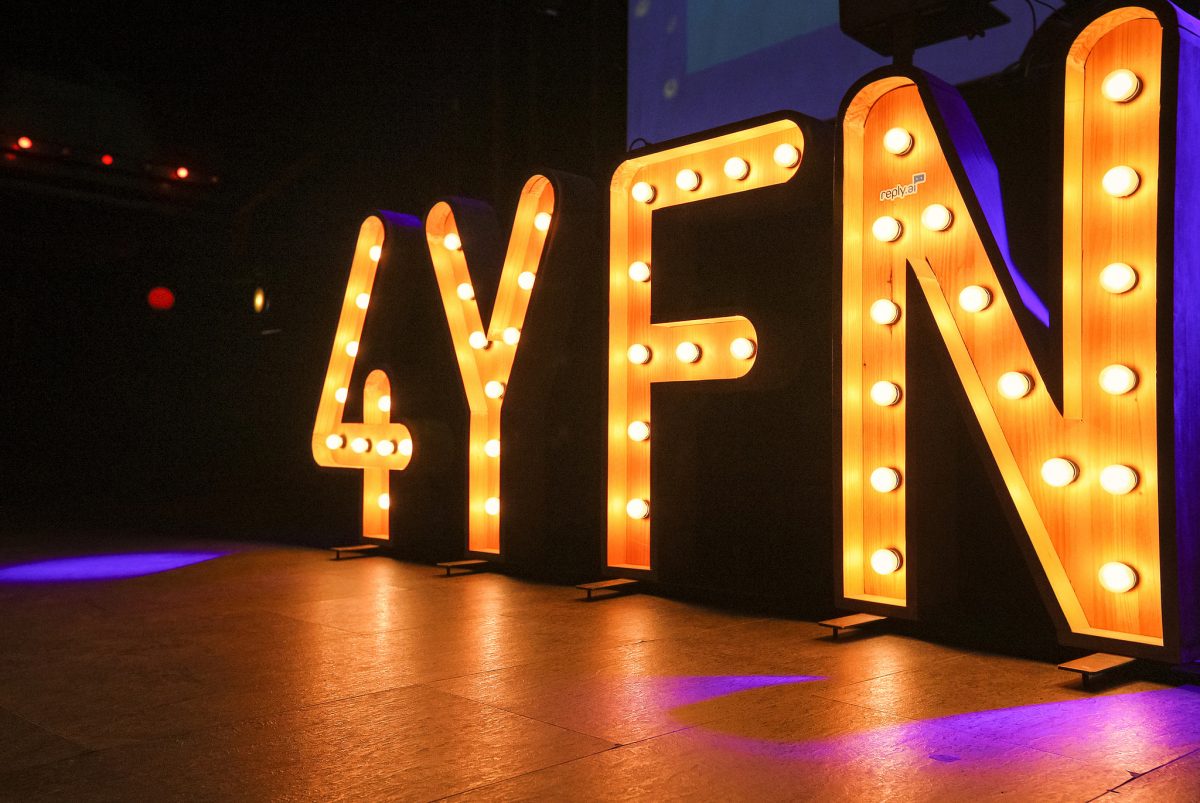
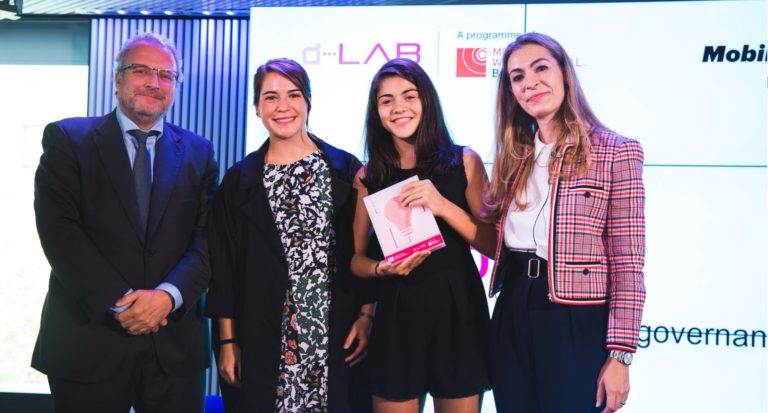
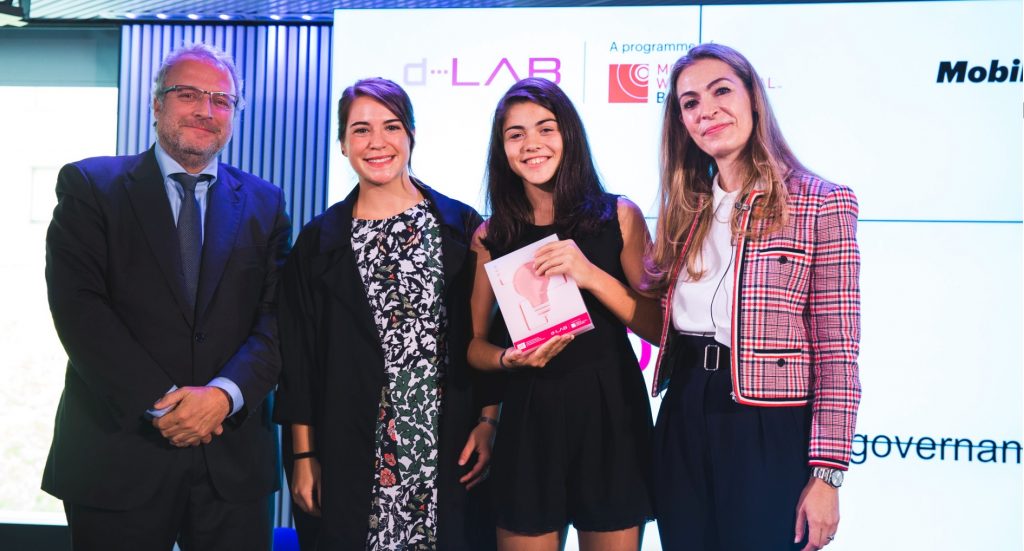
MJN Neuroserveis vuelve al Mobile World Congress 2018 del 26 de febrero hasta el 1 de marzo , esta vez entre las grandes multinacionales gracias al programa d-LAB del MWC. En la edición de 2017 MJN Neuroserveis ya estuvo presente como startup en el 4YFN presentando un innovador dispositivo wearable para el colectivo afectado por la epilepsia. El dispositivo consta de un auricular que registra el electro encefalograma (EEG) en tiempo real y sincroniza los datos con una app que permite detectar y alertar al usuario, familiares y cuidadores de una crisis de epilepsia
Vídeo recopilatorio de fotografías y perfiles de Instagram de gente con epilepsia. Luchamos contra la estigmatización de la epilepsia, difunde la palabra, compartid vida juntos.
El apoyo a este colectivo está en el ADN de MJN Neuroserveis.
People affected by epilepsy have had to coexist historically with certain stigmas that have even linked them to diabolic or sacred events. Although much progress has been made in this regard in developed countries, there are still many prejudices regarding this condition and it is proven that the social consequences of epilepsy can be very serious. One of the main struggles of those affected by epilepsy and their environment on a daily basis is not the condition itself and the significant physical damage it can cause, but the fight against epilepsy as a social condition that produces anxiety, depression and isolation among the affected.
An epileptic seizure is very visible and shocking for those who are not familiar with the condition, who can be immediately alarmed and run to seek medical help. The loss of consciousness of a person suffering from a generalized epileptic seizure makes this visibility clear. However, there are also partial or simple epileptic seizures, which are more difficult to detect.
Una crisis epiléptica es muy visible e impactante para los que desconocen la afectación, que se pueden ver alarmados enseguida y correr a buscar ayuda médica. La pérdida del conocimiento de una persona que sufre una crisis epiléptica generalizada hace que esta visibilidad de la afectación sea clara. Pero existen las crisis epilépticas parciales o simples, que son más difíciles de detectar.